
On the heels of unprecedented viewership of the NCAA Women’s Basketball Tournament driven by Caitlin Clark fandom, the ESPNW Summit, Thursday, discussed ways to sustain the growing interest in women’s sports.
Sarah Spain kicked off the summit by presenting key figures on viewership and attendance, showcasing the significant momentum and growth experienced by women’s sports during the 2023-24 seasons. While enthusiasm runs high, discussions emphasized the importance of sustaining this growth beyond the Caitlin Clark Effect.
Looking back, women’s sports has seen surges before, notably during the WNBA’s early years with impressive attendance figures. However, these highs eventually tapered off, hitting record lows in recent years, underscoring the need for continuous innovation, promotion, and investment to secure the future of women’s sports leagues and teams.
1.“Keeping The Foot On The Gas”
Jess Smith, President of the WNBA’s Golden State team, emphasized the need for women’s sports stakeholders to maintain momentum by “keeping their foot on the gas.” Throughout the summit, it became evident that leaders in women’s sports are determined to be better prepared this time and aim to leverage phenomena like the “Caitlin Clark Effect.” Discussions revolved around exciting new trends and goals for sustained growth in the future, highlighting the increased overall investment in women’s sports and the recognition that sustained growth requires ongoing investment. Crucially, women’s sports are now a significant industry and a lucrative business opportunity. This recognition is a vital step in cementing the legitimacy and value of women athletes, teams, and leagues, positioning them not only as strong individual brands, but also as reliable investment opportunities.
For decades, women’s sports were treated by corporations primarily as a token diversity initiative. Today, they are recognized as a highly lucrative asset. Commercial revenue (sponsorships, partnerships, and merchandise) makes up the lion’s share of the market at 45%. Investors are no longer looking for a feel-good story; they are seeking out a high-yield business opportunity.
2.Name, Image, And Likeness (NIL)

A significant aspect of this shifting landscape is the recent changes in name, image, and likeness (NIL) policy across amateur athletics. Coaches, who may have previously opposed the notion of their student-athletes earning money while competing in collegiate sports, are now embracing this reality, including national championship coaches, and members of the summit’s opening panel, FSU’s Brian Pensky (women’s soccer) and UNC’s Erin Matson (Field Hockey). This opening panel reflected a general recognition that these NIL changes present a substantial opportunity and greater equity for women student-athletes. Unlike their men counterparts, women student-athletes often have fewer professional playing opportunities, but NIL changes enhance their earning potential across all sports during a highly visible time in their playing careers.
The legalization of NIL deals in collegiate sports has leveled the playing field significantly. Historically, women student-athletes faced far fewer professional playing opportunities post-graduation compared to men. NIL allows them to maximize their earning potential at the peak of their collegiate visibility, establishing strong personal brands before they ever sign a professional contract.
3.Media And Social Media

Women athletes continue to excel in the social media sphere, capitalizing on their exposure to enhance their earning potential and brands. On average, women athletes receive roughly 8 times more engagement per post compared to their men counterparts. In addition to the high engagement observed in women’s basketball across the 2023-24 season, college softball athletes garner nearly 10 times more engagement on social media than their men’s baseball counterparts, with their average engagement per post typically five times higher.
Importantly, linear and streaming television platforms are beginning to embrace these trends, providing additional opportunities for fans and new consumers to watch and engage with women’s sporting events. Moreover, they are incorporating new talent into their reporting and coverage of women’s events. At the ESPNW summit, Ali Krieger expressed her excitement about joining ESPN to lead their coverage of women’s soccer, while League One Volleyball announced a partnership with ESPN to broadcast some of their inaugural professional season matches starting in January 2025. These collaborations and hiring decisions indicate a promising outlook for growth and investment across sports beyond women’s basketball.
While basketball remains a primary commercial anchor (accounting for 35% of total women’s sports revenue alongside soccer), the “rising tide” is lifting all boats. Major networks like ESPN, CBS, and ION, alongside streaming giants like Amazon Prime, are aggressively bidding for multi-sport broadcast rights. Leagues like League One Volleyball (LOVB) and new women’s soccer leagues are signing prime broadcast partnerships, ensuring fans have year-round access to premium women’s sports content.
4.Everyone Watches Women’s Sport
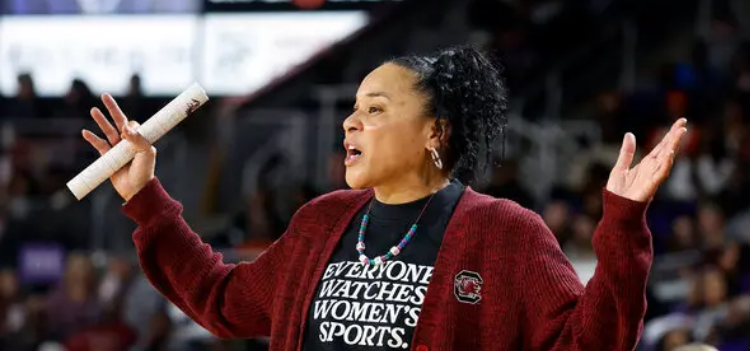
The prevailing sentiment echoed throughout the summit discussions was the acknowledgment that women’s sports have a wide audience, and there’s no longer a need for women athletes, fans, and stakeholders to continually prove this fact. Lindsay Kagawa Colas, the keynote summit speaker and Executive Vice President of Talent at Wasserman, highlighted the ongoing struggle for women athletes and practitioners in women’s sports to demonstrate the industry’s success, contrasting it with the longstanding acceptance and investment in men’s sports.
Women athletes are growing weary of the perpetual need to justify and defend their value, and the accumulating data is gradually chipping away at the need for this additional effort. Throughout the summit, the message remained consistent regarding the surge of new fans and consumers: there’s space for everyone. As Colas emphasized, the bandwagon is expansive and continues to expand at an exciting clip, and it is important to be welcoming of every new individual, organization, and investor interested in becoming lifelong supporters. Undoubtedly, the tides across women’s sports are changing, and the ESPNW summit highlighted this historic time of growth.
The sports landscape is experiencing a massive shift, driven by a perfect storm of star power, digital engagement, and an unprecedented influx of commercial backing. What started as a viral moment—frequently dubbed the “Caitlin Clark Effect” during her collegiate and early professional years—has matured into a sustainable, multi-billion-dollar global industry.
Global revenues for women’s elite sports are projected to top $3 billion, marking a staggering 340% increase over just four years. The narrative has officially shifted from proving value to scaling a massive business footprint.
Women athletes hold a massive advantage in the digital landscape by forging deeply loyal, highly interactive communities “And Beyond”: The Rising Tide for Women’s Sports
The true legacy of this movement is that it did not stay isolated to a single player. Instead, it served as a structural catalyst for a sustainable ecosystem across all of women’s sports. For the first time in league history, the revenue boom allowed the WNBA to clear the economic threshold required to trigger revenue sharing with its players. This is forcing a massive restructuring of the next collective bargaining agreement, aiming to raise baseline rookie and veteran salaries .Media tracking demonstrates a powerful baseline bump for the rest of the league. While Fever games dominate the charts, viewership for non-Fever matchups rose significantly. The league hit an all-time attendance record of 3.15 million fans, proving that casual fans who tuned in for a singular star stayed to support the broader roster of athletes. Collegiate athletic programs across the U.S. report massive spikes in attendance and applications. Schools like American University have tracked sharp, double-digit attendance increases across not just basketball, but volleyball and soccer as families seek out live women’s sporting events. Major brands like Nike (who signed Clark to a landmark $28 million deal), Gatorade, and financial institutions have pivoted their prime advertising slots. They now treat female athletes as global pop-culture icons—placing them on billboards in Times Square alongside traditional entertainment properties