



There’s a reason gym selfies, sunrise workout videos, and color-coded progress charts keep flooding every feed. Fitness isn’t just exercise anymore — it’s identity, aesthetic, and ritual all rolled into one. In 2026, American gym culture has fully leaned into this shift, and it’s worth breaking down why it’s sticking around.
1. Fitness Aesthetics: Looking the Part Matters as Much as the Workout

Gone are the days of throwing on any old t-shirt for leg day. Matching workout sets, curated gym bags, and “clean girl” or “gym rat” aesthetics have become as much a part of the routine as the reps themselves. Brands have caught on fast — activewear lines are now designed to transition straight from the squat rack to a coffee run, blurring the line between performance gear and everyday fashion.
This isn’t shallow vanity; it’s motivation engineering. Looking put-together for a workout makes people more likely to show up consistently, and the visual culture around fitness (think: gym mirror selfies, “get ready with me” workout videos) has turned exercise into a form of self-expression.
2. Progress Tracking: Data Is the New Motivation
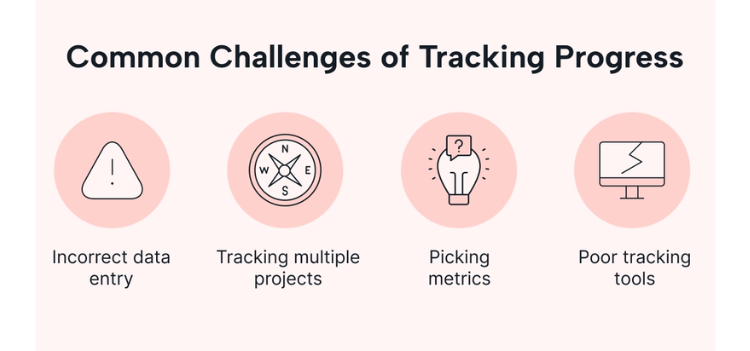
If it’s not tracked, did it even happen? Fitness apps, smartwatches, and progress-photo grids have turned workouts into an ongoing data project. People are logging everything — sets, reps, sleep quality, resting heart rate, even mood — and using that data to stay accountable.
The appeal here is simple: visible progress keeps people engaged longer than vague goals ever could. Watching a strength number climb or a consistency streak grow taps into the same psychology as a video game leveling up, which is exactly why tracking has become such a sticky habit rather than a passing gimmick.
3. Morning Workout Rituals: Claiming the Day Before It Claims You
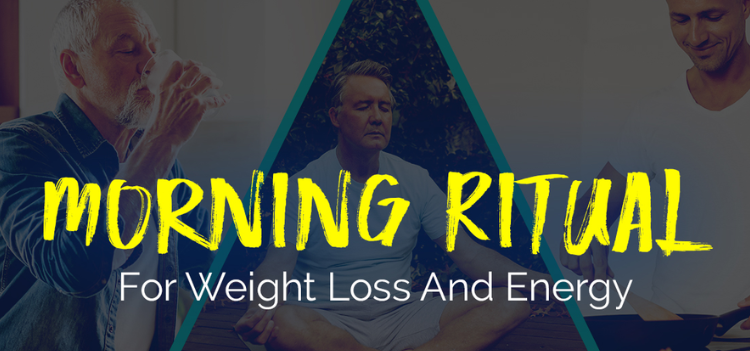
Perhaps the most culturally loaded piece of this trend is the rise of the morning workout ritual. Waking up before sunrise to hit the gym has become a badge of discipline — a way of signaling control over your schedule (and your life) before the demands of work and everyday chaos take over.
It’s not just about burning calories early. Morning workouts tap into circadian rhythm benefits, better mood regulation throughout the day, and a sense of accomplishment that colors everything that follows. Social media has amplified this further, with “5am club” and “morning routine” content becoming some of the most shared fitness content out there.
Why This Trend Isn’t Going Anywhere
Fitness aesthetics, tracking, and morning rituals all point to the same underlying shift: exercise has become less about obligation and more about self-optimization and identity. Gym culture in America isn’t just about getting fit anymore — it’s about building a lifestyle around discipline, visible progress, and looking (and feeling) the part while doing it.
Whether it’s the matching workout set, the streak on a fitness app, or the pre-dawn gym check-in, these habits aren’t fading fads. They’re becoming permanent fixtures of how people structure their days and present themselves — both in the gym and far beyond it.
A workout trend that is going viral on TikTok has found an audience with millions of women gripped by “gymtimidation” – the fear of exercising in public gyms.
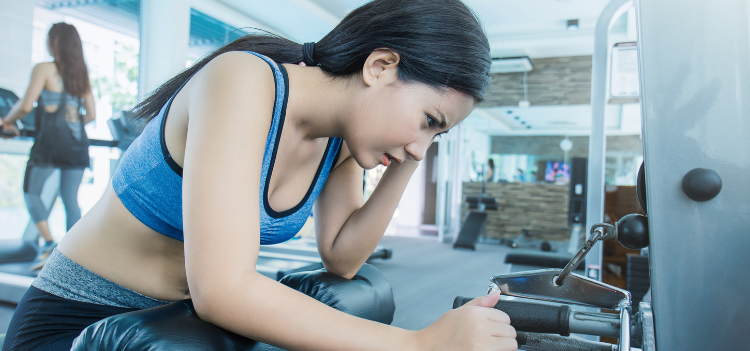
Many women admit to feeling overwhelmed when walking into a gym that is dominated by men and filled with equipment they may not know how to use. As a result, they may feel anxious and self-conscious in public exercise spaces.
This is where TikTok’s “shy girl” workouts come in – they help those who prefer keeping a low profile in the gym, as well as those who would rather exercise in the comfort of their own homes.
Fitness influencers such as Brianna Joye Kohn regularly post #shygirlworkouts on TikTok, where she has 2.1 million followers, and Instagram, where she has 1.1 million followers.
“Societal pressures force women to strive to attain the perfect figure [and] this pressure gets intensified in male-dominated exercise environments such as the gym, where the focus is on people’s physicality,” Sahoo says.
“Women who suffer from body-image issues feel uncomfortable facing inequality in these formal exercise spaces.”
“Shy girl” workouts are targeted at beginners or those with anxiety about going to the gym, Sahoo says. The user-friendly workouts help women overcome their inhibitions while empowering them to feel more confident about exercising in the gym in future.
The routines can be done using just one’s body weight, making them perfect to practise at home. All you need is a corner, a yoga mat and maybe a pair of dumbbells, he explains.