

College is one of the biggest investments you’ll make in your education and future. With the rising costs of tuition, books, and living expenses, many students and families turn to financial aid to make college affordable. The Free Application for Federal Student Aid (FAFSA) is your gateway to accessing millions of dollars in grants, loans, and work-study opportunities. Here’s everything you need to know about FAFSA.
What is FAFSA?
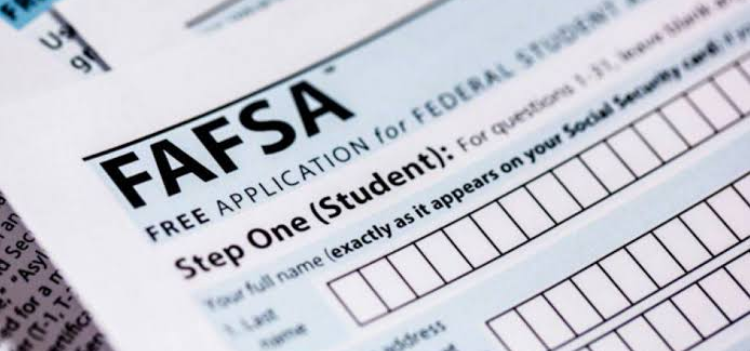
The FAFSA is a free application submitted to the U.S. Department of Education that determines your eligibility for federal financial aid. It’s the most important form for anyone seeking help to pay for college or other postsecondary education. Completing the FAFSA opens doors to:
- Federal Grants – Free money you don’t have to repay
- Federal Student Loans – Borrowing options with fixed interest rates
- Work-Study Programs – Part-time job opportunities on campus
- State and Institutional Aid – Additional funding from your state and college
Why FAFSA Matters

With over 3.38 million monthly searches, FAFSA is clearly on the minds of students across the country. Here’s why it’s essential:
It’s free. There’s no application fee, and you should never pay anyone to complete your FAFSA. Legitimate help is always available for free through schools and government resources.
It’s your key to money. Even if you think you won’t qualify, you should apply. You might be surprised by what you’re eligible to receive—grants, scholarships, and other aid don’t always depend on income alone.
It’s required for most aid. Nearly all federal student aid, as well as many state and institutional aid programs, require FAFSA completion. Your college may also require it for scholarship eligibility.
FAFSA Requirements & Information You’ll Need
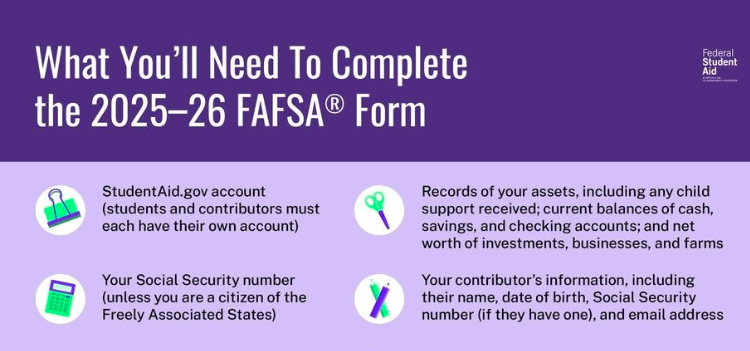
Before starting your application, gather the following documents:
For Students:
- Social Security Number
- Driver’s License or State ID (optional but helpful)
- Income tax return or tax information (yours and your parents’, if dependent)
- W-2 forms and other income records
- Records of untaxed income, benefits, and assets
For Parents (if dependent):
- Social Security Number
- Driver’s License or State ID (optional)
- Income tax return and tax information
- W-2 forms and other income records
- Information about assets (savings, investments, real estate)
Important Note on Dependency:
Whether you’re considered “dependent” or “independent” affects the aid you’re eligible for. Most students under 24 are considered dependent and must report parental income. Independent students typically need to meet specific criteria, such as being 24+, married, a graduate student, or having dependent children.
How to Complete FAFSA: Step-by-Step
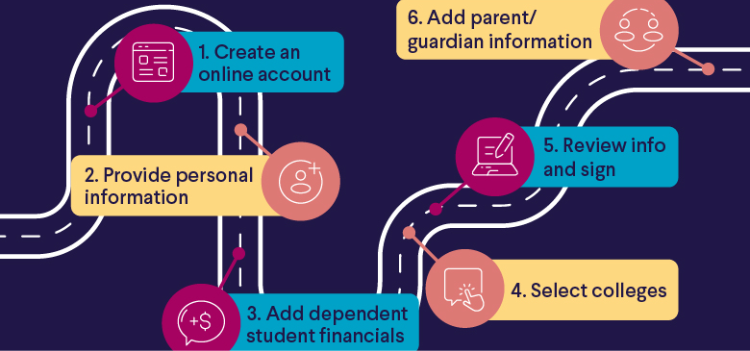
Step 1: Create Your Account Visit fafsa.gov and create a Federal Student Aid (FSA) account using your email and a secure password. Make sure to save this information!
Step 2: Complete the Application Answer questions about your personal information, your family’s financial situation, and the schools you’re planning to attend. The form takes about 30 minutes to an hour to complete.
Step 3: Include School Codes Enter the Federal School Code for each college or university you plan to attend. These are available on fafsa.gov. You can list up to 10 schools initially.
Step 4: Sign and Submit Review your answers for accuracy, then electronically sign your application. Parents must also electronically sign if you’re a dependent student.
Step 5: Keep Your Confirmation Number After submission, you’ll receive a confirmation number. Save this for your records.
Important FAFSA Deadlines
Federal Priority Deadline: June 30, 2024 (for the 2024-2025 academic year)
State and School Deadlines: Many states and colleges have earlier deadlines for institutional and state aid. Check with your schools directly, as some may have deadlines as early as February or March.
Pro Tip: Submit your FAFSA as early as possible—preferably in October or November when the application opens. Earlier applications mean faster processing and better access to limited aid funds.
Common FAFSA Mistakes to Avoid

1. Procrastinating Don’t wait until the last minute. Technical issues and busy servers can cause delays. Apply early to avoid stress and ensure timely processing.
2. Submitting Inaccurate Information Double-check all information before submitting. Errors can delay your processing or result in an incorrect aid package. Use your tax return or IRS documents for accurate income figures.
3. Leaving Questions Blank Answer every question to the best of your ability. “N/A” or leaving fields blank can cause processing delays.
4. Forgetting to Sign Both students and parents must electronically sign the application. An unsigned FAFSA won’t be processed.
5. Not Updating Information If your situation changes (job loss, family changes, etc.), contact your school’s financial aid office. Some changes require a FAFSA correction or amendment.
6. Ignoring Your Student Aid Report (SAR) After submission, you’ll receive a SAR confirming your information and showing your Expected Family Contribution (EFC). Review it carefully for errors.
Understanding Your Financial Aid Package
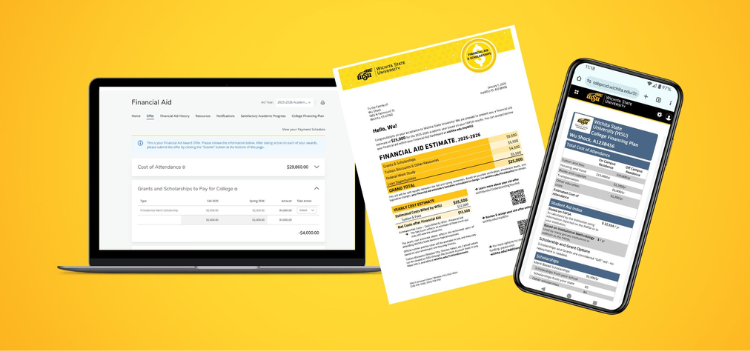
Once you’ve submitted your FAFSA, colleges use the information to determine your financial aid package. Your aid letter will typically include:
- Grants: Need-based aid that doesn’t require repayment
- Loans: Money you borrow and must repay with interest
- Work-Study: Part-time employment opportunities
- Scholarships: Merit or need-based awards
FAFSA Changes You Should Know About
The FAFSA formula undergoes periodic updates. Recently, changes have been made to simplify the process and make more students eligible for aid. Stay updated on any changes by visiting fafsa.gov or your school’s financial aid office.
Frequently Asked Questions

Q: Is FAFSA really free? Yes! FAFSA is completely free. Never pay anyone to fill out your application. Legitimate help is always available at no cost.
Q: Can I apply for FAFSA if my parents won’t provide information? If you’re a dependent and your parents refuse to complete the FAFSA, contact your school’s financial aid office. There may be alternative processes available.
Q: What if I make a mistake on my FAFSA? You can make corrections through fafsa.gov anytime. Log into your account and update your information as needed.
Q: Do I need to apply every year? Yes. Financial aid eligibility changes annually, and you must reapply each academic year. Many schools also use FAFSA data for scholarship renewal.
Q: What if I don’t qualify for need-based aid? Even if you don’t qualify for need-based aid, you may still be eligible for federal student loans and should complete FAFSA to explore all options.
Where to Get Help
Free Resources:
- FAFSA.gov – Official source for FAFSA information and applications
- Your School’s Financial Aid Office – Staff can answer school-specific questions
- Federal Student Aid Hotline: 1-800-433-3243
- Counselors at Your High School – Often trained to help with FAFSA questions
- Non-profit Organizations – Groups like the National Association of Student Financial Aid Administrators (NASFAA) offer free resources
Final Thoughts
Completing your FAFSA is one of the most important steps in making college affordable. While it may seem complicated at first, taking the time to carefully fill out the form can result in thousands of dollars in aid. Remember: it’s free, it’s worth your time, and help is available whenever you need it.
Start early, gather your documents, and don’t hesitate to ask questions. Your future self will thank you for taking this crucial step toward funding your education.