


The Digital Gold Rush Is Real — And It’s Bigger Than Ever

If you’ve been watching the news lately, you’ve noticed that Bitcoin and cryptocurrency are everywhere — from your 401(k) options to your favorite coffee shop’s checkout screen. What was once a fringe experiment by tech enthusiasts has quietly become one of the most talked-about financial topics in America.
But with Bitcoin’s price swinging wildly, new government policies reshaping the rules, and banks finally jumping aboard the crypto train, many Americans are asking: Is now the right time to get in? Or is the party already over?
In this post, we break down everything you need to know about cryptocurrency in the United States right now — from who owns it, to what Washington is doing about it, to what the smartest investors are watching in the months ahead.
Who’s Investing in Crypto in America Right Now?
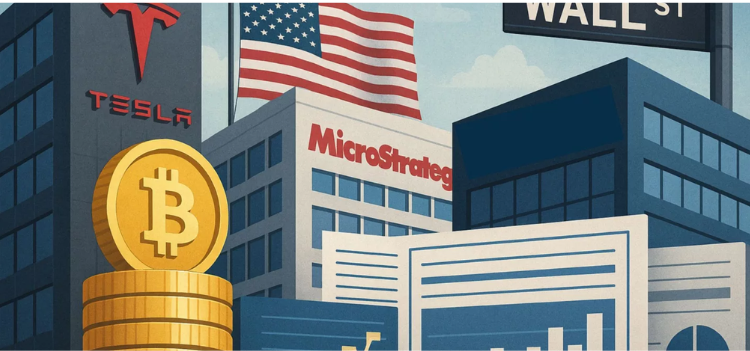
The numbers are striking. As of 2026, approximately 30% of American adults — roughly 70.4 million people — now own some form of cryptocurrency, up from 27% in 2024. The fastest-growing group of crypto investors? Adults between the ages of 30 and 44, who make up one in three of all crypto owners.
And the most popular coins haven’t changed much. Bitcoin still reigns supreme, followed by Ethereum, Dogecoin, and a fast-rising newcomer: Solana, which has posted the fastest two-year growth in popularity of any major currency.
Here’s a snapshot of where things stand:
| Cryptocurrency | US Holder Share | Trend |
|---|---|---|
| Bitcoin (BTC) | 74% of crypto holders | Stable dominance |
| Ethereum (ETH) | ~24% of global owners | Growing fast |
| Solana (SOL) | Rapidly expanding | Fastest-growing |
| Dogecoin (DOGE) | Top 4 in US | Consistently popular |
Washington Just Changed the Game

One of the biggest developments of the past 12 months has been the federal government’s dramatic shift in attitude toward crypto.
President Trump’s administration has made cryptocurrency policy a priority, establishing a Strategic Bitcoin Reserve — essentially treating Bitcoin as a national asset — and appointing David Sacks as the country’s first-ever “Crypto Czar.” These aren’t symbolic gestures. They signal a fundamental change in how Washington views digital assets.
And the markets noticed. A majority of Americans — 52% of US adults — believe Trump’s presidency has boosted cryptocurrency values, and 46% think his policies have helped bring crypto into the mainstream.
Perhaps most importantly for everyday investors, the approval of spot Bitcoin ETFs (exchange-traded funds) has made it possible to invest in Bitcoin through your regular brokerage account — no crypto wallet required. By April 2026, US spot Bitcoin ETFs had accumulated around $102 billion in assets under management.
But Wait — What Happened to Bitcoin’s Price?
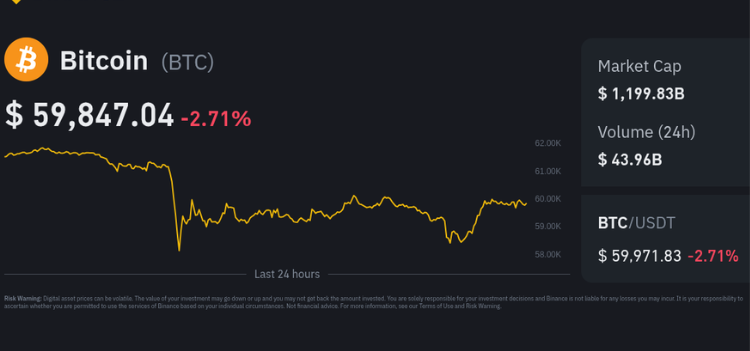
Here’s where things get complicated. Despite all the good news on the regulatory front, Bitcoin has had a rough 2026 so far.
After soaring to an all-time high above $126,000 in October 2025, Bitcoin has since pulled back sharply. In early June 2026, it fell 15% in a short stretch, settling around $60,000–$62,000. US spot Bitcoin ETFs saw over $3.1 billion in net outflows year-to-date, as investors rotated money into AI and semiconductor stocks, which gained roughly 170% over the same period.
Does this mean Bitcoin is finished? Not according to most experts.
Long-term holders continue to accumulate. Stablecoin liquidity is at all-time highs. And the underlying technology and infrastructure have never been stronger. Most analysts see the current dip as a consolidation phase, not a collapse — more like a pit stop than a breakdown.
Big Banks Are Finally Showing Up

One of the most underreported crypto stories of 2026 is the wave of traditional financial institutions quietly building crypto products:
- SoFi became the first US chartered bank to offer direct digital asset trading from customer accounts.
- Morgan Stanley, PNC, and JPMorgan are developing crypto trading and settlement products.
- JPMorgan’s Kinexys platform is piloting tokenized deposits and stablecoin-based settlement tools.
- US Bank offers crypto custody through a partnership with NYDIG.
This isn’t a fad. When Wall Street builds infrastructure for something, it tends to stay. The integration of crypto into traditional banking rails is one of the most important long-term signals for the industry.
Stablecoins: The Quiet Revolution in Payments

While Bitcoin grabs the headlines, stablecoins — digital currencies pegged to the US dollar — are quietly transforming how money moves across the internet.
The US government is now regulating them more seriously. Under the upcoming GENIUS Act (taking effect January 2027), only licensed institutions will be permitted to issue stablecoins, and they must maintain full 1:1 dollar reserves. This regulatory clarity is expected to accelerate adoption in areas like:
- Cross-border payments and remittances
- B2B transactions and payroll
- E-commerce settlement
Some forecasts suggest the total stablecoin market cap could approach $1.2 trillion by 2028 as banks and fintechs issue their own dollar-pegged tokens for everyday transactions.
Real-World Asset Tokenization: The Next Big Thing

Beyond Bitcoin and stablecoins, one of the most exciting crypto trends happening right now is the tokenization of real-world assets (RWAs) — essentially putting traditional financial instruments like stocks, bonds, real estate, and commodities on the blockchain.
Tokenized financial assets grew from approximately $5.6 billion to nearly $19 billion in just one year, expanding into commodities, private credit, and public equities. As major financial institutions explore on-chain distribution and settlement, the gap between “crypto” and “traditional finance” is shrinking fast.
Risks You Can’t Ignore
No honest crypto blog post would be complete without a serious look at the risks. Here’s what’s keeping regulators, financial advisors, an
Looking Ahead: What to Watch in Late 2026
Here are the key storylines that will shape the crypto market for the rest of the year:
- Federal Reserve rate cuts — Lower interest rates historically drive liquidity into risk assets like crypto.
- GENIUS Act implementation — How stablecoin issuers comply will shape the next phase of crypto payments.
- Bitcoin Layer 2 adoption — Faster, cheaper Bitcoin transactions could unlock new use cases.
- AI + Crypto convergence — Bitcoin mining firms are pivoting toward high-performance computing, creating an unexpected intersection with the AI boom.
- Bitcoin ETF flows — Monthly inflow/outflow data from BlackRock’s IBIT and other ETFs will serve as the clearest real-time signal of institutional sentiment.
Final Thoughts
Cryptocurrency in America is no longer a niche hobby — it’s a legitimate, rapidly maturing asset class with 70 million US investors, government-backed reserves, Wall Street infrastructure, and growing everyday utility. But it’s also still volatile, complex, and full of risks that can catch unprepared investors off guard.
The smartest move in 2026 isn’t to panic-buy or panic-sell. It’s to stay informed, diversify thoughtfully, and never invest more than you can afford to lose.
Whether Bitcoin bounces back to six figures or continues its correction, one thing is certain: cryptocurrency is here to stay in the American financial landscape — and understanding it is now a basic financial literacy skill.