


10 Simple Habits That Can Improve Your Well-Being

Maintaining good health is one of the most important investments a man can make. Yet many men in the United States delay routine checkups, ignore early symptoms, or put work and family responsibilities ahead of their own well-being. The good news is that small, consistent lifestyle changes can have a significant impact on long-term health.
This guide covers 10 practical habits that can help men improve their physical and mental health while reducing the risk of chronic disease.
1. Schedule Regular Health Checkups

Many serious health conditions, including high blood pressure, type 2 diabetes, and high cholesterol, can develop without noticeable symptoms. Annual wellness visits and recommended screenings help detect problems early, when they are often easier to treat.
Talk with your healthcare provider about which screenings are appropriate for your age, family history, and personal risk factors.
2. Eat a Balanced Diet

A healthy diet provides the nutrients your body needs to stay energized and reduce the risk of chronic illness.
Focus on:
- Fruits and vegetables
- Whole grains
- Lean proteins such as fish, chicken, beans, and legumes
- Healthy fats from nuts, seeds, avocados, and olive oil
Limit sugary drinks, highly processed foods, and excessive sodium.
3. Stay Physically Active

Adults should aim for at least 150 minutes of moderate-intensity exercise each week, along with muscle-strengthening activities on two or more days.
Great options include:
- Brisk walking
- Cycling
- Swimming
- Strength training
- Recreational sports
Regular exercise supports heart health, weight management, and mental well-being.
4. Prioritize Quality Sleep

Sleep plays a vital role in recovery, immune function, hormone regulation, and mental performance.
Most adults need 7–9 hours of sleep each night. To improve sleep quality:
- Keep a consistent bedtime.
- Reduce screen time before bed.
- Avoid large meals and excessive caffeine late in the day.
- Create a cool, quiet sleeping environment.
5. Take Care of Your Mental Health

Mental health is just as important as physical health. Stress, anxiety, and depression can affect relationships, work, and overall quality of life.
Healthy ways to support mental wellness include:
- Talking with trusted friends or family
- Practicing mindfulness or meditation
- Exercising regularly
- Seeking support from a licensed mental health professional when needed
6. Maintain a Healthy Weight

Carrying excess weight increases the risk of heart disease, type 2 diabetes, sleep apnea, and certain cancers.
Rather than following extreme diets, focus on sustainable habits such as balanced meals, regular exercise, and portion control.
7. Avoid Tobacco and Limit Alcohol
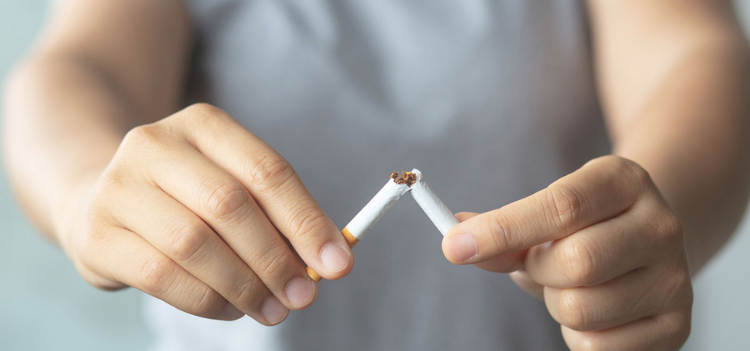
Smoking remains one of the leading preventable causes of disease in the United States. Quitting tobacco at any age provides meaningful health benefits.
If you drink alcohol, do so in moderation and follow current medical guidance.
8. Protect Your Heart

Heart disease continues to be one of the leading causes of death among men in the United States.
Support heart health by:
- Exercising regularly
- Eating a heart-healthy diet
- Managing blood pressure and cholesterol
- Maintaining a healthy weight
- Avoiding smoking
9. Stay Hydrated
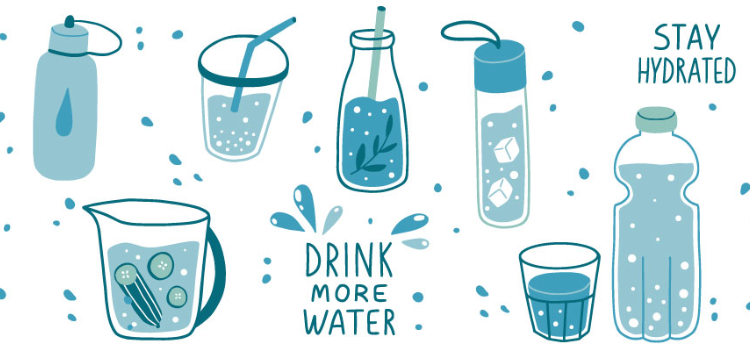
Water supports digestion, circulation, temperature regulation, and physical performance.
Daily fluid needs vary depending on activity level, climate, and overall health, so drink enough water throughout the day and increase intake during exercise or hot weather.
10. Build Healthy Daily Habits

Long-term health is shaped by daily choices.
Simple habits include:
- Preparing healthy meals at home
- Taking regular walking breaks
- Managing stress
- Staying socially connected
- Keeping preventive healthcare appointments
Final Thoughts
Good men’s health isn’t about perfection—it’s about making consistent, informed choices over time. Regular physical activity, nutritious eating, quality sleep, preventive healthcare, and attention to mental well-being can all contribute to a healthier and more active life.
If you have ongoing symptoms or concerns about your health, consult a qualified healthcare professional for personalized advice. Taking action today can help protect your health for years to come.