


The United States sports betting landscape has transformed dramatically since the Supreme Court’s 2018 PASPA decision, and 2026 marks a pivotal moment for the industry. What began as a Nevada-only operation has exploded into a multi-billion-dollar national market with 39 states and Washington D.C. now offering legal sports wagering. But this year isn’t just about bigger numbers—it’s about smarter operators, faster payouts, and a fundamental shift in how Americans engage with their favorite sports.
The Market is Growing, But Not in the Way You’d Expect
The U.S. sports betting market is experiencing unprecedented growth, though the pattern looks different than it did five years ago. Americans are projected to wager between $160-170 billion annually in 2025-2026, with the industry on pace for record-breaking revenue that could exceed $15 billion by 2027.
However, here’s the surprise: the easy days of rapid user growth are over. Year-over-year handle growth is expected to slow to 10-15% due to market saturation. But don’t mistake slower growth for slower profits. Revenue is growing much faster than wagers—and that’s where the real story unfolds.
The Shifting Economics
The national hold percentage (the portion of wagers sportsbooks keep) has climbed from 8.1% in 2022 to over 10% in 2025. This means operators are becoming smarter about squeezing profitability from the same pool of bettors. Instead of chasing new customers at unsustainable acquisition costs, the focus has shifted to higher-margin betting products and improved customer lifetime value.
State Legalization: The Race for Untapped Markets

While most of America has embraced legal sports betting, some major markets remain dark. Eleven states—including California and Texas—have yet to legalize sports wagering. This represents a massive gap: California and Texas alone account for roughly 22% of the U.S. adult population.
The race to legalize in these holdout states intensified in 2026. Texas is widely expected to pass its sports wagering bill first, with potential iGaming legislation following. Maryland and Indiana have seen renewed legislative interest, while Wyoming has already begun experimenting with blockchain-based wagering models.
For operators, these unlicensed markets represent the last true growth frontier. When California finally opens—and most experts believe it’s a matter of when, not if—the revenue impact could be transformative. New Jersey’s iGaming market generates over $2 billion annually; analysts project New York could exceed $5 billion within a few years of launch.
The Technology Revolution: AI, Crypto, and Instant Gratification

Artificial Intelligence Takes Center Stage
AI has moved from industry buzzword to operational backbone. Sportsbooks now use machine learning algorithms for:
- Predictive player analytics that adjust odds in real time
- Personalized betting recommendations based on user history and preferences
- Fraud detection that catches suspicious patterns before they become liabilities
- Responsible gambling monitoring that flags at-risk bettors automatically
The sophistication has reached a point where a casual bettor might not realize they’re interacting with an AI system that’s tracking their every move—which raises both efficiency and ethical concerns.
The Payout Speed Revolution

Here’s a trend that rarely makes headlines but represents a genuine shift in customer expectations: instant payouts. A bettor who wins $84 on a late field goal now expects payment before the postgame show starts.
In 2026, banks, digital wallets, and cryptocurrency payments are battling for dominance:
- Instant bank transfers promise funds within minutes
- Apple Pay and PayPal simplify the login experience
- Stablecoin rails are gaining traction in forward-thinking states (Wyoming is leading here)
- Blockchain technology is improving transaction speed and reducing fees
The catch? All these speed improvements require robust age verification, source-of-funds screening, and state-by-state compliance checks—all happening behind the scenes while the user just taps a button.
Live and In-Play Betting: Micro-Betting Mania

Live betting has quietly become the fastest-growing segment, and 2026 is when it exploded into mainstream consciousness. The difference between pre-game and live betting is profound: while pre-game markets are essentially zero-sum (one operator’s gain is another’s loss), live betting creates entirely new entertainment experiences.
Enter micro-betting: wagering on hyper-specific events within games. The next pitch. The next free throw. The next tennis point. With data feeds measured in milliseconds and odds shifting in real time, this creates a completely different product—one that’s faster, more engaging, and (operators argue) more profitable.
The challenge? Latency matters more than the house edge. If your stream lags eight seconds behind the field, sharp bettors will exploit it. Expect major partnerships in 2026 between sportsbooks, leagues, and data providers competing for the lowest possible broadcast delay.
Mobile Dominance and the Unified Experience

Mobile betting accounts for over 80% of all legal U.S. wagers—and that percentage is climbing. The winning sportsbook in 2026 isn’t the one with the fanciest desktop site; it’s the one with the fastest, most intuitive mobile app.
But the evolution goes beyond speed. Operators are building unified entertainment experiences where:
- A bettor can stream live soccer, check betting odds, and place a same-game parlay all within one tap
- Stadium QR codes let fans scan their seat to see personalized offers during halftime
- Push notifications deliver time-limited offers tied to real-world events (a red card, an injury timeout, a coaching change)
- Spending limits and responsible gambling reminders appear without killing the excitement
The best implementations feel almost boring—they’re so seamless you barely notice the technology working behind the scenes.
Market Consolidation: The Big Get Bigger
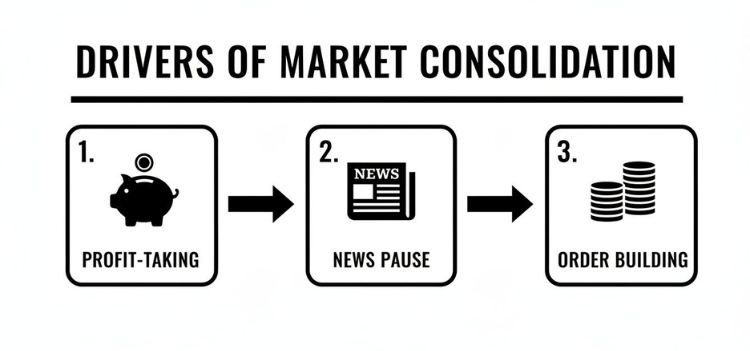
DraftKings and FanDuel have cemented their duopoly in most major markets, combining to control roughly 70% of market share. But mid-tier operators (bet365, BetMGM, Caesars) are struggling with acquisition costs that exceed lifetime value.
Expect 2026-2027 to bring a wave of consolidation. The math is simple: the technology infrastructure costs required to compete with the market leaders have become unsustainable for everyone else. Strategic partnerships, acquisitions, and selective market exits will reshape the competitive landscape.
Additionally, rising state taxes are squeezing margins further. Illinois’s 40% tax rate on gross gaming revenue set a new bar—and other jurisdictions are watching closely. Higher taxes mean lower operator margins, which favors the big players with the scale to absorb them.
The Prediction Market Wild Card
One of the most interesting developments in 2026 is the rise of prediction markets as alternatives to traditional sports betting. Companies like Kalshi and Polymarket have attracted millions in venture funding by positioning themselves as “financial instruments” rather than gambling operations.
These platforms blur the line between prediction, investing, and wagering. They’re attracting a different audience—often more tech-savvy, younger, and international. Regulators are watching closely, but for now, they’re growing faster than traditional sportsbooks in some demographics.
The eSports Betting Explosion

The U.S. eSports betting market is projected to generate $1.1 billion in revenue by 2028, up from less than $200 million today. What’s driving this growth?
- Younger audiences with $1,000+ disposable income
- Year-round competition calendars (unlike traditional sports)
- Average revenue per user exceeding $53 per bettor
- Digital-native audiences comfortable betting on screens
Major sportsbooks are scrambling to build eSports betting products, though many are still figuring out which games, leagues, and tournaments make sense for mainstream audiences.
Responsible Gambling: The Regulatory Reckoning

As the industry matures, responsible gambling is moving from nice-to-have to must-have. An estimated 2.5 million Americans experience severe gambling problems, with another 4-6 million considered at risk.
In 2026, we’re seeing:
- Stricter player protection rules across states
- Investment in addiction treatment infrastructure
- Self-exclusion programs becoming more robust
- Deposit limits and loss-limit features on most platforms
- Increased scrutiny of marketing to vulnerable populations
Operators that lead on responsible gambling aren’t just doing the right thing—they’re positioning themselves as trustworthy partners that regulators and state legislatures want to license and expand.
The International Opportunity

While the U.S. has been focused internally, global sports betting is booming. The worldwide market is projected to grow from $126.5 billion in 2026 to $295 billion by 2034. Major U.S. operators are eyeing international expansion, particularly in Europe and Asia, where regulatory frameworks are becoming clearer and market maturity is accelerating.
This could reshape the competitive landscape: international expertise and capital could alter the dominance of U.S.-only players.
What Bettors Need to Know in 2026
If you’re a sports bettor, 2026 brings both opportunities and risks:
Opportunities:
- More markets and better odds as competition intensifies
- Faster, easier payments and withdrawals
- More personalized offers and betting experiences
- Better odds and lower hold percentages in competitive markets
Risks:
- Increased complexity and gambling addiction
- Rising state taxes being passed to bettors through lower payouts
- Data privacy concerns as operators collect more behavioral data
- Unregulated prediction markets offering uninsured promises
The Bottom Line
The U.S. sports betting industry in 2026 is no longer a gold rush. It’s a mature, regulated, technologically sophisticated market dominated by a handful of mega-operators competing on speed, UX, and customer lifetime value rather than user acquisition.
The easy growth days are over, which is actually healthy for the industry. Operators focused on sustainable profitability, responsible gambling, and legitimate regulatory compliance will thrive. Those chasing growth at all costs will consolidate or disappear.
For regulators and state governments, this year represents a watershed moment: the ability to shape an industry before it fully calcifies. For bettors, it’s an era of unprecedented convenience paired with unprecedented temptation.
The next year will define whether the U.S. sports betting industry becomes a stable, regulated pillar of the entertainment economy—or whether the pace of innovation outpaces society’s ability to manage its risks.