



What is an Annual Health Checkup?
Did you know that in 2022, there were 2.3 million women diagnosed with breast cancer and 670,000 deaths globally.. Annual health checkup is a proactive way of knowing where you are health-wise, knowing your risk factors, and hence preventing some chronic illnesses before they set in. It usually involves the necessary blood analysis, physical examination, and appointment with doctors who will examine your vital parameters and suggest the further course of action.
Basic Tests and Screenings Included
Based on age and risk factor, your annual visit will require a complete blood count (CBC), lipid profile, blood sugar test, liver and kidney function tests, ECG, chest X-ray, thyroid panel, and BMI evaluation.
How It Helps in Early Detection of Health Issues
Regular screening helps detect silent illnesses such as hypertension, diabetes, and even a pre-cancerous state before the symptoms appear.
Top 10 Reasons to Prioritize Your Annual Health Check Up
Your health isn’t just a personal matter; it affects your productivity, happiness, and long-term well-being. Whether you’re looking after your own health or scheduling an annual health checkup for employees, these ten reasons will help you understand why prioritizing regular screenings is a smart, preventative investment in life.
1. Detect Silent Health Conditions Early

Illnesses such as elevated blood pressure, thyroid, or anemia may not have any symptoms, but can be detected at an early age when they are most treatable with the help of an annual health checkup.
2. Keep Track of Vital Parameters (BP, Sugar, Cholesterol)

Monitoring your vital markers annually helps your doctor evaluate trends, adjust medications, and offer lifestyle recommendations before small imbalances turn into bigger problems.
3. Prevent Long-Term Health Complications
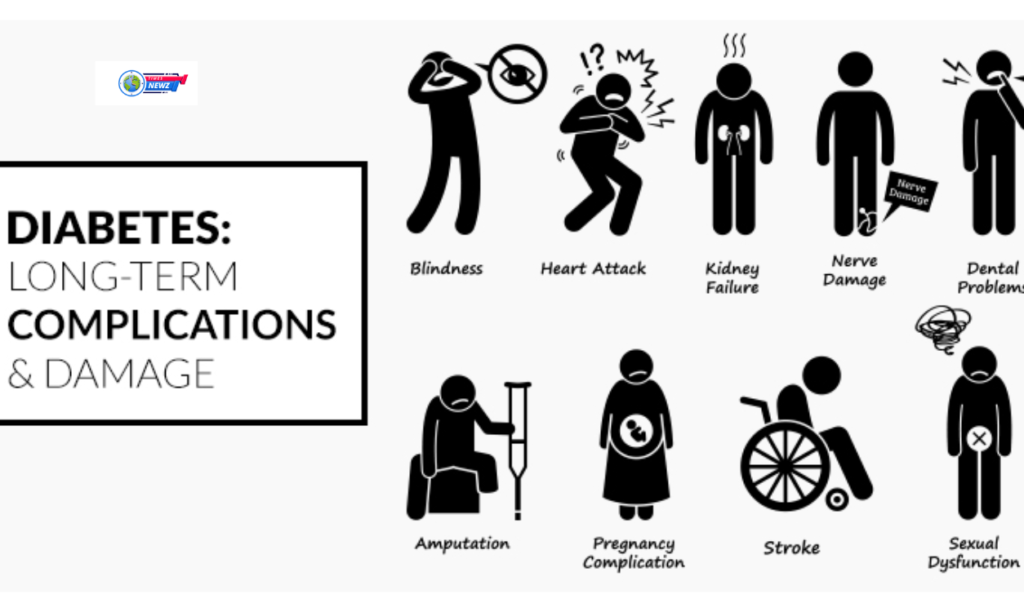
Routine screenings reduce the risk of major diseases by catching warning signs early. This prevents complications such as stroke, heart failure, or organ damage that result from untreated chronic conditions.
4. Understand Your Lifestyle Impact on Health

From sleep quality and diet to alcohol use and physical activity, lifestyle factors influence long-term health. Your annual health checkup helps assess how daily habits are affecting internal health markers.
5. Build a Personal Health History

Annual health checkups establish a medical baseline and help build a complete health profile over time. This is useful for tracking progress and making informed decisions as you age.
6. Identify Nutritional Deficiencies
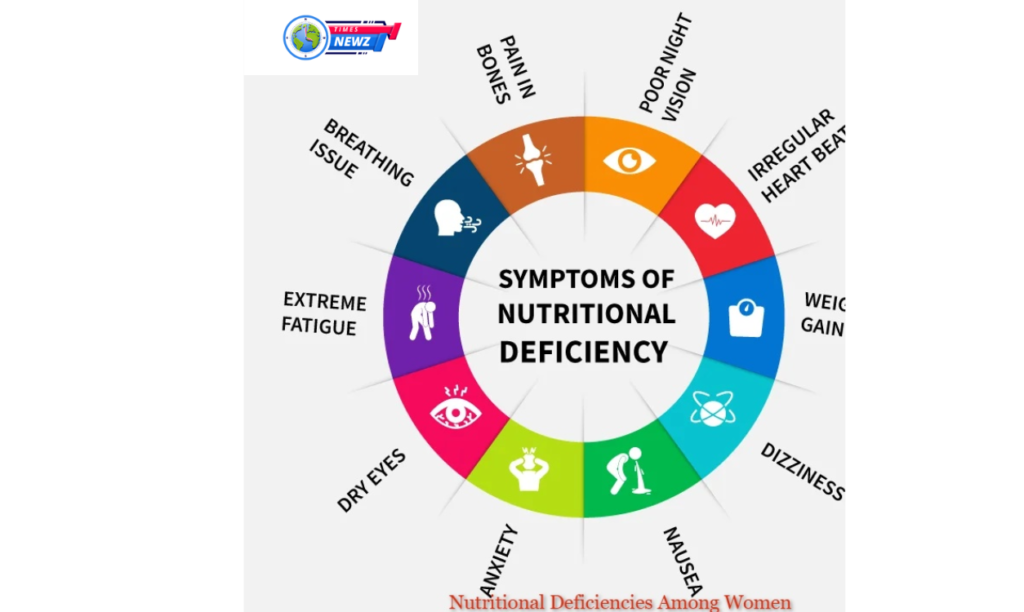
Common vitamin and mineral deficiencies, like Vitamin D, B12, and iron, can cause fatigue and poor immunity. Early identification helps prevent long-term fatigue and compromised health.
7. Monitor Mental and Emotional Wellbeing

Mental health screenings included in some annual health checkups help detect signs of stress, anxiety, or depression, prompting early intervention and counseling if needed.
8. Manage Chronic Conditions More Effectively
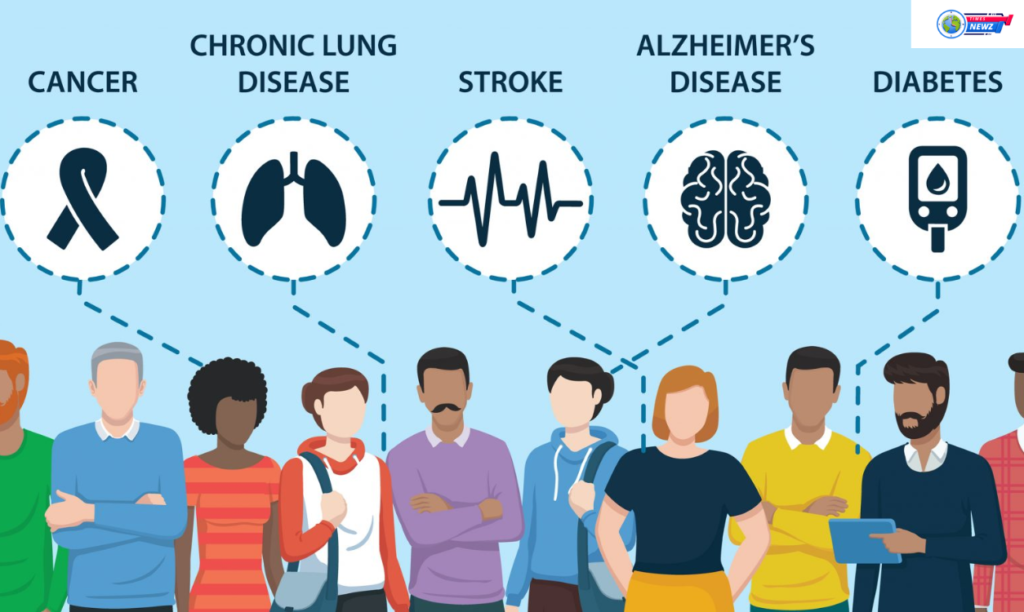
If you already have hypertension, diabetes, or thyroid issues, an annual health checkup allows for better medication management and prevents escalation into severe complications.
9. Reduce Long-Term Medical Expenses
Prevention is more affordable than treatment. Early detection means fewer hospital visits, fewer medications, and lower healthcare bills in the long run.
10. Boost Productivity Through Better Health

Good health improves energy, focus, and performance at work. A well-timed annual health checkup helps you stay ahead of health disruptions that can lower professional productivity or increase sick days.
Why Employee Annual Health Checkups Matter
Health in the workplace is no longer a fad; it is a requirement. Annual health checkup programs build up morale among the employees and give them more time to do their job. It also creates a culture of care. Employees feel appreciated when their employers conduct regular screenings since this indicates that their health matters.
Benefits for Employers and Teams
Organizations benefit from healthier teams through higher productivity, reduced healthcare costs, and improved morale. It also aligns with corporate social responsibility and employee welfare initiatives.
Reducing Sick Leave and Absenteeism
Detecting and treating conditions early helps employees avoid major health crises, minimizing disruptions due to illness and long-term medical leave.
Promoting a Healthy Workplace Culture
Encouraging annual health checkups sends a clear message: health matters here. It builds a supportive environment and reduces stigma around seeking preventive or mental health care.
How to Prepare for Your Annual Health Checkup
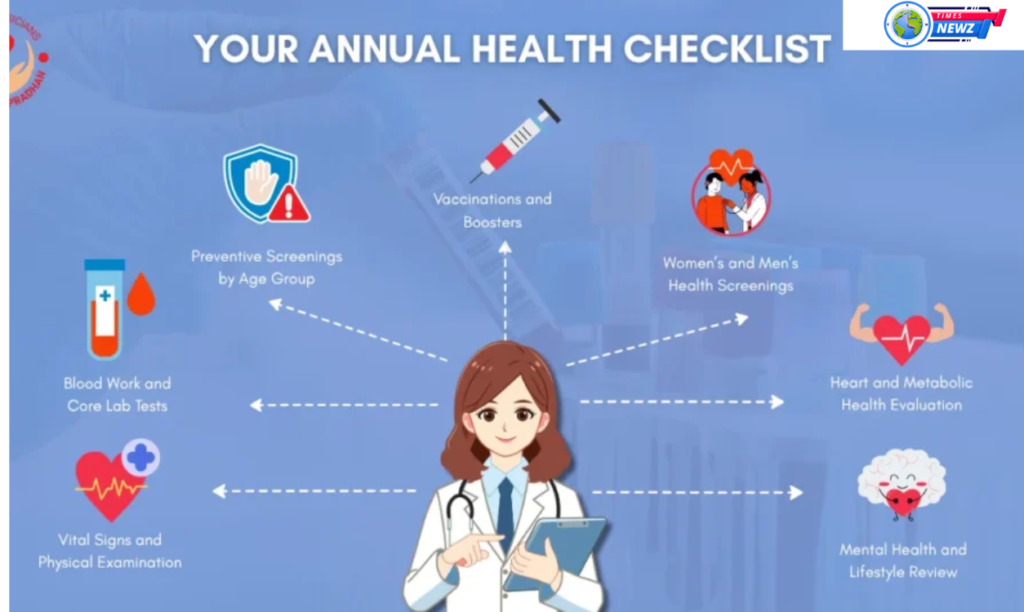
Preparation can help ensure accurate results and a smooth experience. Begin by confirming which tests are included and follow any specific instructions. Fasting is often required for blood sugar and cholesterol testing. You should bring your old medical records and medications you are currently taking. Whether it involves the simple checkup of general sessions or annual health checkups of employees, preparation enables your doctor to assess your health conditions with a full background.
Medical Advice: The information provided in this blog post is for educational purposes only and should not be considered as a substitute for professional medical advice, diagnosis, or treatment. Always consult with a qualified healthcare professional for personalized guidance regarding your specific medical condition.
Accuracy of Information: While we strive to provide accurate and up-to-date information, the field of medicine and viral fevers is constantly evolving. The content in this blog post may not reflect the most current research or medical guidelines. Therefore, it is advisable to cross-check any information provided with reliable sources or consult a healthcare professional.
Individual Variations: The symptoms, causes, treatment options, and preventive measures discussed in this blog post are general in nature and may not apply to everyone. It is important to remember that each individual’s situation is unique, and personalized medical advice should be sought when making healthcare decisions.
External Links: This blog post may contain links to external websites or resources for additional information. However, we do not endorse or have control over the content of these third-party websites. Accessing these links is done at your own risk, and we are not responsible for any consequences or damages that may arise from visiting these external sources.
Results May Vary: The effectiveness of treatment options or preventive measures mentioned in this blog post may vary from person to person. What works for one individual may not work the same way for another. It is essential to consult with a healthcare professional for personalized advice tailored to your specific needs.