


Achieving work-life balance is tough. We examine the importance of balance to help you create engaged & happy workers, leading to a thriving culture. Work-life balance is always in the news for a reason. It matters. But what does it mean for HR or leadership roles in 2026? Let’s find out…
What Is Work-Life Balance?
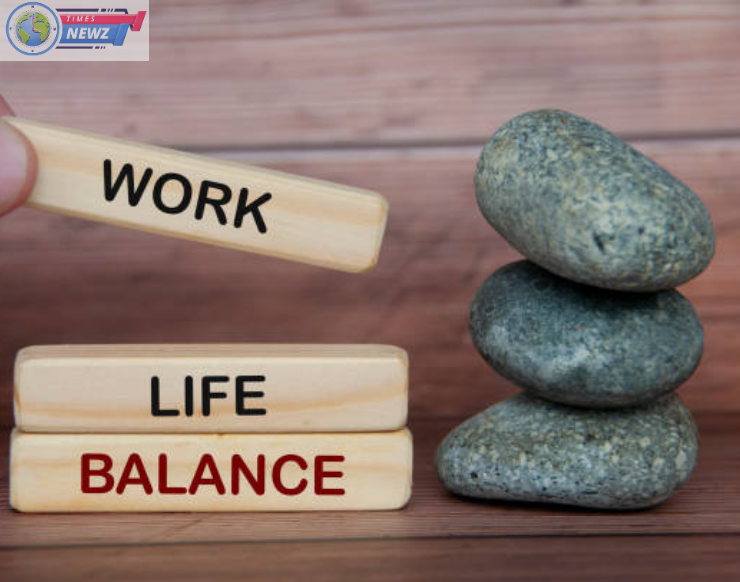
Work-life balance refers to the ability to manage work responsibilities while still having time and energy for personal life—family, health, hobbies, and rest. In the US, work culture often prioritizes productivity and performance, sometimes at the cost of mental and physical health.
Current Work-Life Balance in the United States
The US is known for its strong work ethic, but compared to many developed countries:
- There is no federal mandate for paid vacation
- Average work hours are relatively high
- Many employees remain connected to work after office hours
While high salaries and career growth attract professionals, maintaining balance remains a challenge for millions of workers.
How important is work-life balance?
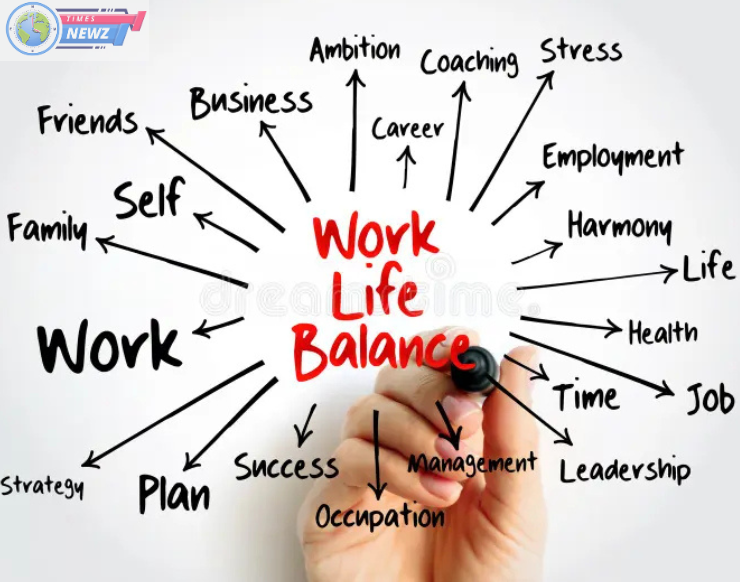
Maintaining a healthy work-life balance isn’t only important for health and relationships, but it can also improve your employees’ productivity and performance. Put simply, if your people don’t view work as a chore, then they will work harder, make fewer mistakes, and are more likely to become advocates for your brand.
Businesses that gain a reputation for encouraging work-life balance have become very attractive – especially when you consider how difficult it can be to attract and retain younger workers these days. The cost of losing your people is rising. According to Centric HR, replacing a mid-level manager in 2026 can cost roughly 20% of their annual salary in recruitment and training. For executive roles, that figure can skyrocket to over 200%. Keeping your current team happy isn’t just a “nice” thing to do. It’s a vital financial strategy.
Here are some more reasons why work-life balance is important for your people and your organisation:
1. Fewer health problems
Workplace absence hit record highs in 2025. The CIPD reported that UK employees were off sick for an average of 9.4 days over the year. Mental ill-health remains the top cause of long-term absence.
When we are stressed and overworked, we run the risk of jeopardising more than just our social lives—our physical and mental health is in danger too.
A poor work-life balance can lead to a variety of symptoms that can affect our wellbeing. This ranges from the flu to serious health conditions like strokes and respiratory problems. A study conducted by UCL of more than 10,000 participants stated that white-collar workers who worked three or more hours longer than required had a 60% higher risk of heart-related problems than those who didn’t work overtime.
2. Higher engagement
By helping your people find the perfect balance between work and home, you will increase their engagement levels. This has many positive effects. According to Tower Perrin’s global survey, “Companies with highly engaged employees had a near 52% gap in performance improvement in operating income.” Plus: “Companies with high levels of employee engagement improved 19.2% in operating income, while companies with low levels of employee engagement declined 32.7%.”
Having an engaged workforce will lead to your people going the extra mile for you and becoming loyal advocates for your brand and product. This is evidenced by Temkin Group, which suggests that “engaged staff are 2.5 times more likely to stay at work late if something needs to be done after the normal workday ends.”
Tips to improve work-life balance in 2026
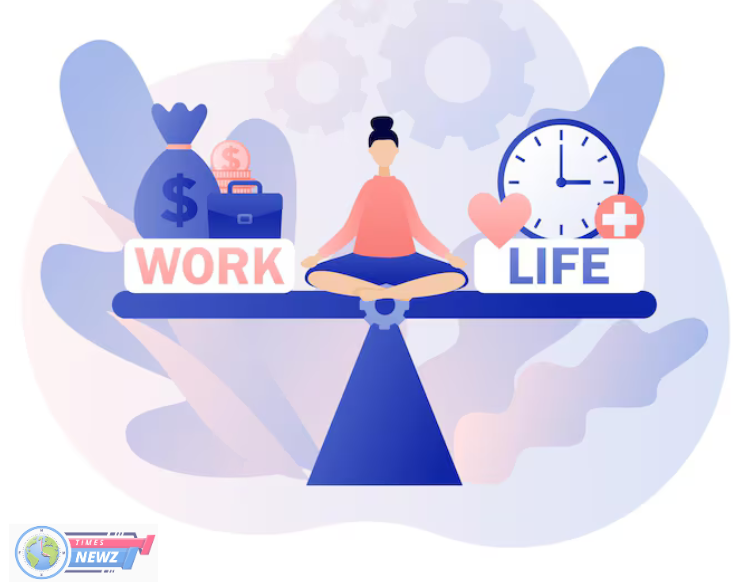
1. Encourage time off:
Holidays are not a luxury. Annual leave is a necessity. A break from work will provide you with the chance to switch off and enjoy yourself. It’s also a great opportunity to recuperate and recharge. This is essential to help your people improve productivity and focus when they return to the office.
Numerous studies show that holidays increase company productivity and reduce stress. The American Sociological Association compiled a report, which suggests that a larger number of vacations leads to a decline in the psychological distress of people.
An effective way to encourage your people to take time off is to implement a “use it or lose it” system. This ensures any unused days will not be carried over at the end of the year or repaid financially.
2. The right to disconnect
The world has changed since France first introduced “Right to Disconnect” laws. Now, many global organisations have their own policies. Respect the privacy of your team outside of office hours. Avoid contacting them when they’re off the clock. This allows them to fully recharge from everyday stresses. This will positively impact your teams’ work performance, productivity and workplace happiness.
Positive Shifts in US Work Culture
Remote & Hybrid Work
Many companies now offer flexible work arrangements, saving commute time and improving lifestyle quality.
Mental Health Awareness
Employers are increasingly offering wellness programs, therapy support, and mental health days.
Results-Oriented Work
Some organizations focus more on output rather than hours worked.