
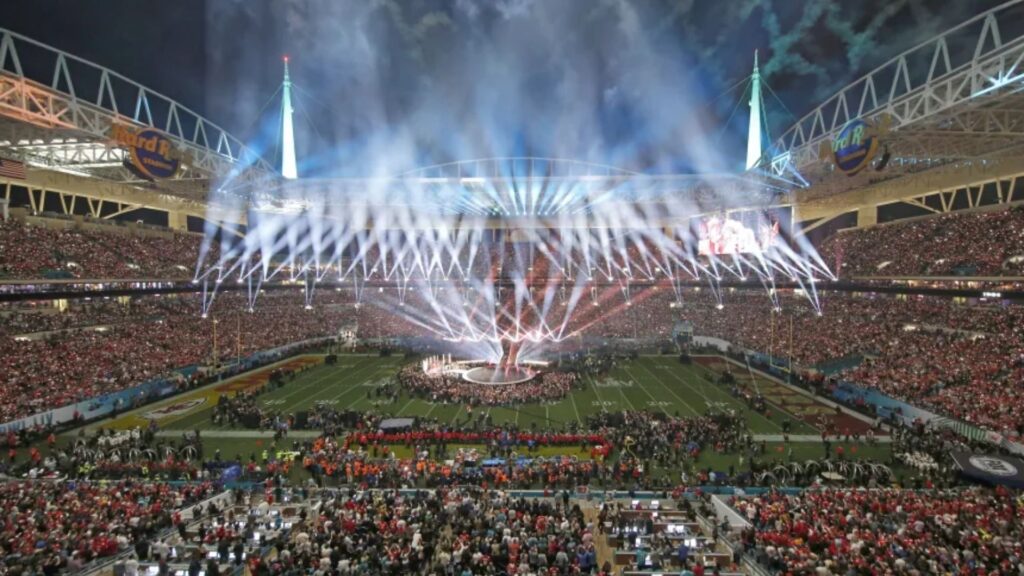

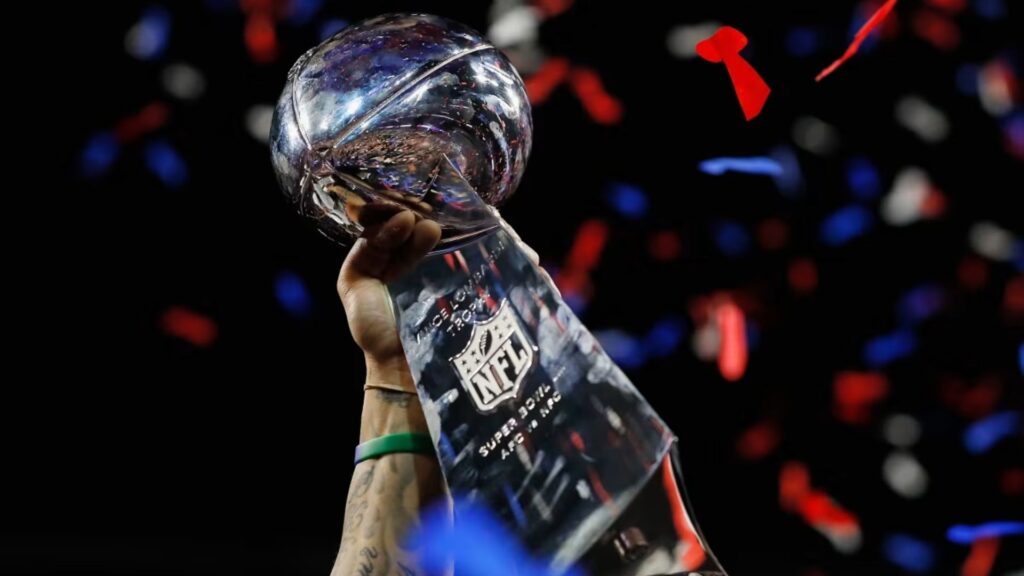
In the midst of the unrelenting hype over “Deflategate” in advance of Super Bowl XLIX on Sunday, it is the perfect time to review the history of the biggest sporting event in the country. Far younger than the World Series, the Masters, or the Kentucky Derby, the NFL championship game has become a virtual national holiday in which the life of the country comes to a full and complete stop.
The Super Bowl’s origins lie in the creation of the American Football League (AFL) in 1960. Started by a group of businessmen who wanted their own pro football franchises but were frustrated by the NFL’s unwillingness to expand, the AFL forged ahead as an alternative league playing a more wide-open brand of football. So began a rivalry that would help propel pro football ahead of baseball as the most popular spectator sport in the country by the end of the decade.
In 1966, after several years of competition, NFL Commissioner Pete Rozelle and Lamar Hunt, owner of the AFL’s Kansas City Chiefs, negotiated a merger agreement in which the two leagues would formally join together in 1970. In the meantime, the AFL and NFL champions would play each other at the end of the season and Hunt suggested calling the new game the “Super Bowl.” Though both he and Rozelle thought a better title could be found, sportswriters started using the moniker in advance of the inaugural game in January 1967 and it stuck.
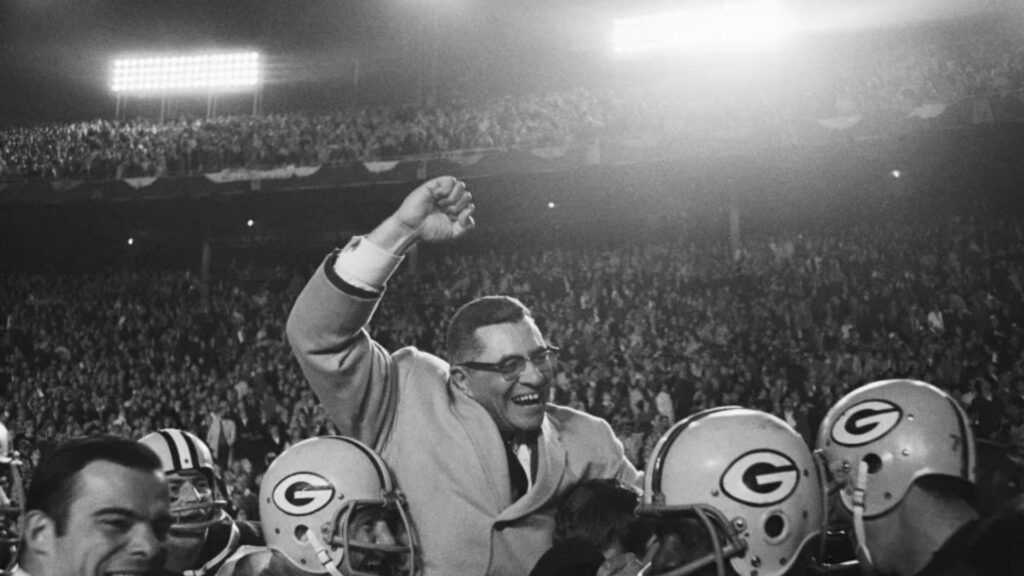
Though there was anticipation before Super Bowl I between the Green Bay Packers and Kansas City Chiefs, the hype did not remotely approach what we see today. The game, which was held in the Los Angeles Coliseum, did not even sell out. As Michael MacCambridge, author of a history of pro football, observed, “fans simply weren’t used to traveling to neutral sites.” Though the Vince Lombardi-era Packers routed the Chiefs and ratified the notion of NFL superiority, the game drew 65 million television viewers, the largest ever for an American sporting event at the time.
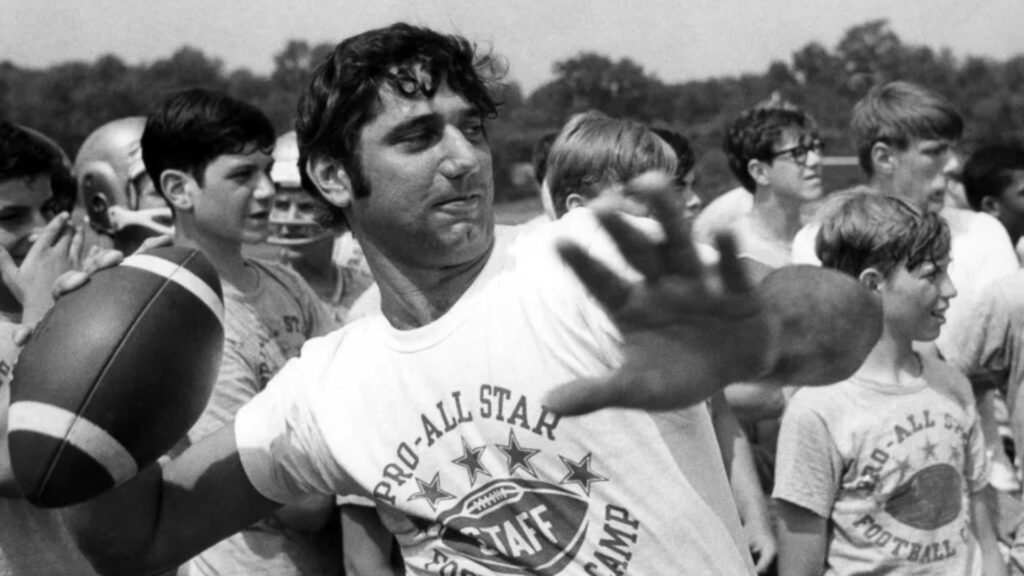
The game’s popularity took off from there as the New York Jets’ shocking upset of the Baltimore Colts in Super Bowl III gave the AFL credibility. After the merger, the NFL split into the American Football Conference (AFC) and the National Football Conference (NFC) and the victors of those conferences fought it out at the end of each season. The two-week gap between the conference championship games allowed suspense to build, as the media presence grew dramatically. By 1974, the event had grown to such proportions that Norman Vincent Peale declared that if Christ were alive “he’d be at the Super Bowl.”
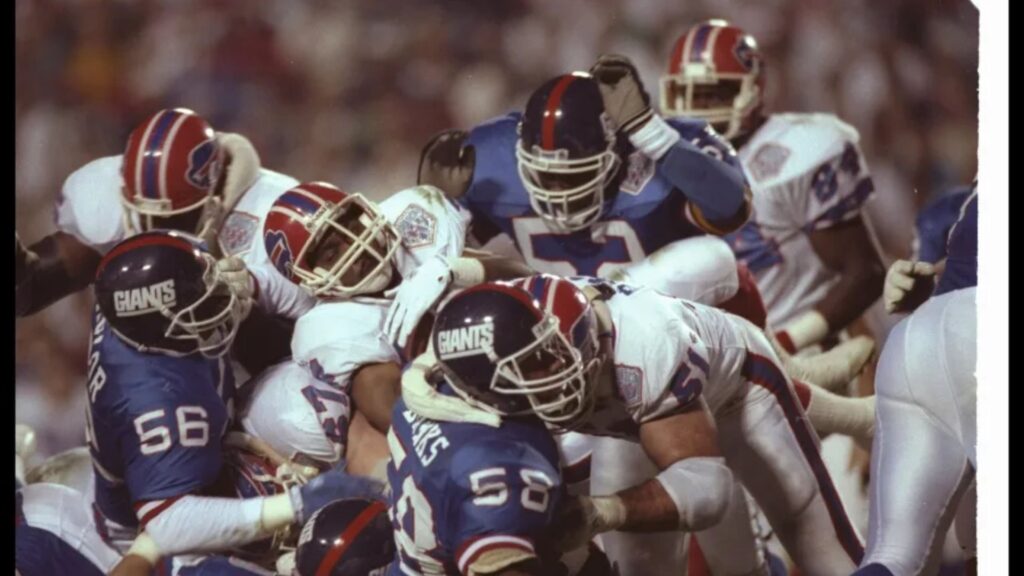
As the NFC’s domination of the AFC produced a series of Super Bowl routs in the 1980s, Madison Avenue swooped in to create a different kind of interest in the game. In 1984, Apple commissioned a Ridley Scott-directed commercial promoting their new Macintosh computer. The ad, based on George Orwell’s dystopian novel, 1984, showed a woman tossing a sledgehammer into a gigantic TV screen of Big Brother’s propaganda. Shown during Super Bowl XVIII, the commercial started a sensation and from that point forward, corporate America debuted their best ads during the game. After all, no better place to unveil them than before the biggest national television audience of the year. And ranking the spots became another part of watching the game.
While viewership for the World Series and NBA Finals are highly dependent on whether large-market teams or major stars participate or not, the Super Bowl’s ratings are almost unaffected by these factors. The NFL’s revenue-sharing arrangement allows small-market teams to remain competitive and even become national brands. While a playoff matchup between the Colorado Rockies and Seattle Mariners would strike fear into the hearts of baseball officials, last year’s Super Bowl between the Denver Broncos and Seattle Seahawks drew an American television record of 112 million viewers.
With the rise of cable TV, the Internet, and other entertainment options, the country rarely pauses to watch or follow the same event, except in cases of national tragedy. When the game between the Seattle Seahawks and the New England Patriots kicks off at 6:30 p.m. EST on February 1, virtually the entire nation will be watching, producing a collective experience rare in today’s niche culture world.
1. The Helmet Catch – Super Bowl XLII
One of the most iconic plays in championship history came in Super Bowl XLII, when the New York Giants stunned the undefeated New England Patriots. Quarterback Eli Manning, miraculously escaping a sack, delivered a pass that wide receiver David Tyree clutched to his helmet in a play forever known as the “Helmet Catch.” That reception helped drive the Giants toward a game-winning score and an unforgettable upset.
The Sports Archives blog has chronicled this exact moment in a dedicated post on the play’s significance at Super Bowl XLII, evidence of how one play can alter the course of football lore.
2. Super Bowl XXXVI – The Patriots’ First Title
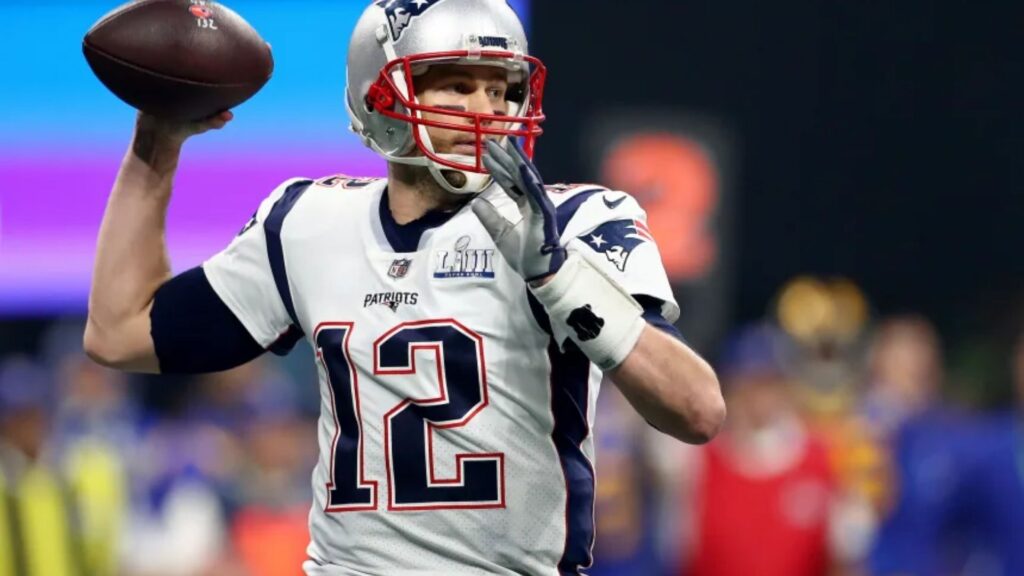
Another defining moment in Super Bowl history was the New England Patriots’ first championship victory in Super Bowl XXXVI. Led by an emerging quarterback in Tom Brady and guided by head coach Bill Belichick, the Patriots claimed a stunning victory over the St. Louis Rams, finishing with a field goal that clinched the title.
This game marked the dawn of a dynasty and transformed two NFL legends into perennial contenders.
3. “One Yard Short” – Super Bowl XXXIV
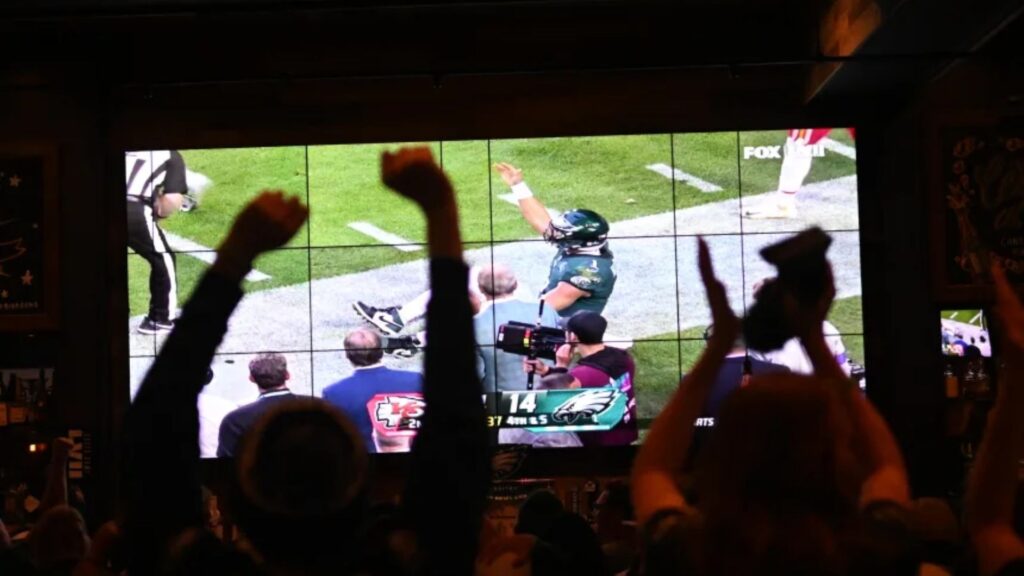
While many highlight dramatic victories, some of the greatest moments come from near-victories that remain etched in memory. Super Bowl XXXIV featured the Tennessee Titans just inches from a game-tying touchdown as time expired. The final tackle came up “one yard short,” sealing a memorable win for the St. Louis Rams.
That play has become one of the most celebrated near-miracle moments in Super Bowl history.
4. The Greatest Comeback – Super Bowl LI
No single game captures resilience like Super Bowl LI, where the New England Patriots erased a 28-3 deficit against the Atlanta Falcons to claim the championship in the first Super Bowl to go to overtime. The significance of this historic rally is impossible to ignore when reviewing the greatest moments in Super Bowl lore.
These four moments represent some of the most unforgettable chapters in Super Bowl history: a miraculous catch, a franchise’s first title, a last-second thwarted score, and the largest comeback ever. Each one combines athletic excellence, high stakes, and narrative power, factors that make the Super Bowl more than a game and a permanent chapter in the history of American sport.
Then the moment of truth came, 3rd and 5 on their own 44 with 1:15 showing on the clock. Manning took the snap and fell back in the pocket with Patriots closing in on him fast. With one Patriot grabbing his shoulder and another pulling his shirt, Manning was able to amble away and give himself just enough time to throw a bullet in the direction of David Tyree. Manning did his part in getting the pass off, the rest of the play belonged to Tyree, who leaped up miraculously to catch the ball and fell backward pinning the ball against his helmet so not to drop it. All this was happening while Patriots Rodney Harrison was in Tyree’s face and punching at the ball to loosen it from his grip and the helmet. His attempt failed and the play stood to be known as “The Helmet Catch” which was good for 32 yards. Another spectacular clutch catch on the sidelines by rookie Steve Smith once again kept the Giants drive alive and Manning finished it with a lob to Plaxico Burress in the end zone.