
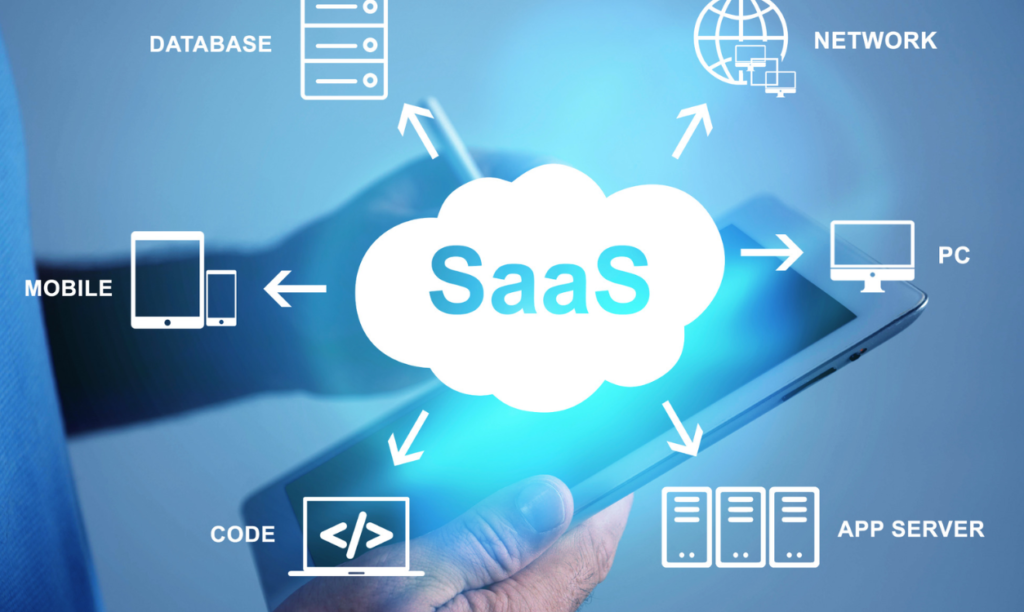

The U.S. SaaS (Software-as-a-Service) market in 2026 is evolving rapidly, driven by AI, automation, cloud computing, and remote work culture. Businesses are increasingly adopting intelligent platforms that improve productivity, scalability, and decision-making.
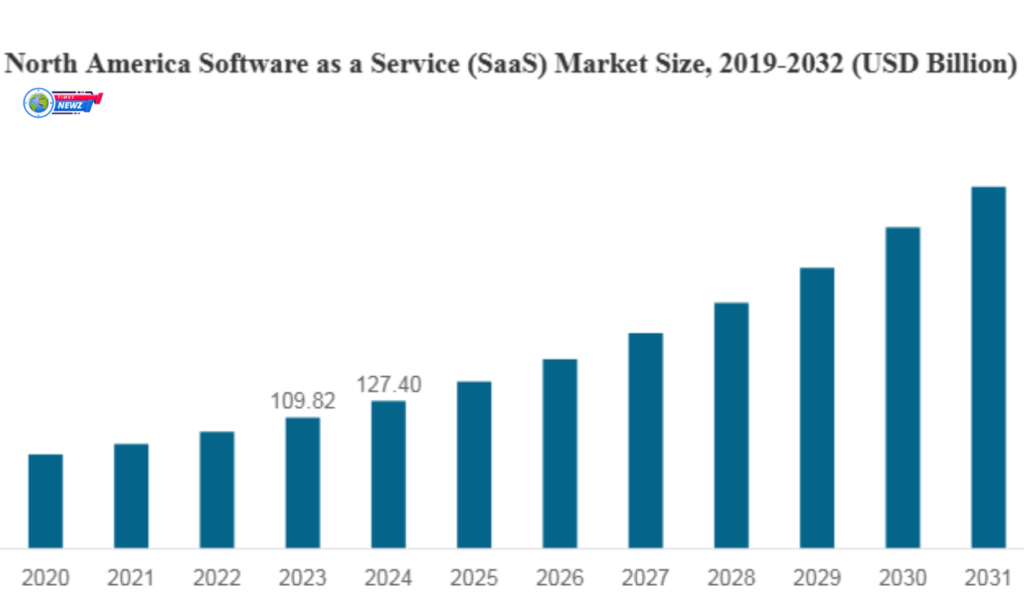
He global Software as a Service (SaaS) market size was valued at USD 315.68 billion in 2025. The market is projected to grow from USD 375.57 billion in 2026 to USD 1,482.44 billion by 2034, exhibiting a CAGR of 18.7% during the forecast period. North America dominated the global market with a share of 46.9% in 2025.
The growth of the Software as a Service market can be attributed to several factors, such as integration with other tools, rise in adoption of public and hybrid cloud-based solutions, and centralized data-driven analytics. According to industry experts, in 2023, 73% organizations used SaaS applications. This percentage is growing as more companies move to the cloud, driven by benefits such as cost efficiency, scalability, and remote work capabilities.
The spread of the COVID-19 pandemic severely impacted the global economy as lockdown measures were implemented to control the spread of the virus. People were confined to their homes to minimize human contact. The rapid spread of the outbreak led IT companies to adopt remote work policies, increasing the need for various software as a service solutions. For instance, the increasing use of Microsoft Office 365 during the COVID-19 pandemic period propelled the growth of the market.
AI is transforming the software as a service landscape and offers several benefits, ranging from automation, personalized user experiences, and enhanced operational efficiency. It is driving innovation, reshaping business models, and improving productivity across industries. Generative AI can automate various tasks in SaaS platforms, reducing the manual effort required for certain processes, enhancing operational efficiency, and lowering costs. For instance, SaaS companies in content management, marketing, or customer engagement leverage generative AI to create personalized content automatically. Platforms such as Jasper (formerly Jarvis) and Writesonic leverage Artificial Intelligence (AI) to produce marketing copy, blog posts, or product descriptions, automating traditionally time-consuming tasks. Tools such as GitHub Copilot and Tabnine integrate AI to assist developers by generating code suggestions or even entire code blocks, speeding up software development and debugging. As per industry experts, in 2023, AI automated up to 30% of all coding tasks, significantly reducing development time and increasing productivity.
Generative AI allows businesses to offer highly personalized experiences for users. This can range from personalized dashboards and product recommendations to tailored customer support. According to a Salesforce report, 70% of customers expect companies to deliver personalized interactions, and 69% of customers are willing to share personal information in exchange for a more personalized experience. Industry experts predicts that by 2026, 75% of SaaS companies will implement AI-driven automation for at least one major business process, underscoring the scalability benefits.
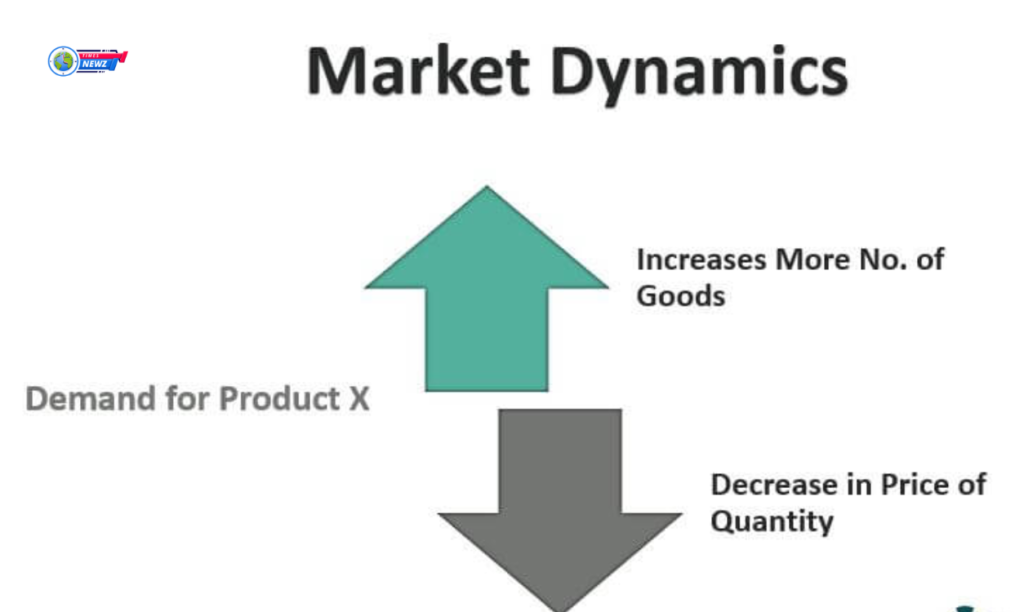
Market Dynamics
Rise of Micro Saas: Niche Solutions Driving Growth And Profitability In The SaaS Market
The micro SaaS trend is gaining significant momentum within the broader SaaS ecosystem. Micro SaaS refers to small, niche-focused SaaS businesses that cater to specific sectors or solve particular problems. According to a SaaS industry report, in 2023, approximately 41% of SaaS startups reported focusing on niche markets as a core part of their business strategy, up from only 18% five years ago. Micro SaaS provides specialized tools or services tailored to a targeted customer base. These micro SaaS businesses often have faster development cycles, lower overhead costs, and greater flexibility. They can quickly adapt to customer needs and deliver customized solutions. Established companies and investors are increasingly looking to acquire small but profitable Micro SaaS businesses for their niche customer bases and steady cash flow. In 2022 alone, the number of acquisitions in the SaaS space increased by 16%, with many focused on small-scale SaaS products.
Micro SaaS businesses leverage automation to reduce operational costs. Tools such as Zapier, Integromat, and other automation platforms allow micro SaaS businesses to streamline repetitive tasks, which leads to high margins and low customer acquisition costs. According to The 2023 SaaS Metrics Report, Micro SaaS companies have an average 70% to 80% profit margin, largely driven by low operational costs and automation. Micro SaaS businesses differentiate themselves by providing high-touch, personalized customer support, which enhances retention rates. Micro SaaS companies often achieve an net promter score of 50+, indicating high customer satisfaction. Many Micro SaaS businesses actively take customer feedback and implement customer-driven improvements.
Thus, popularity of micro-SaaS will create the Software as a Service (SaaS) market growth opportunities.
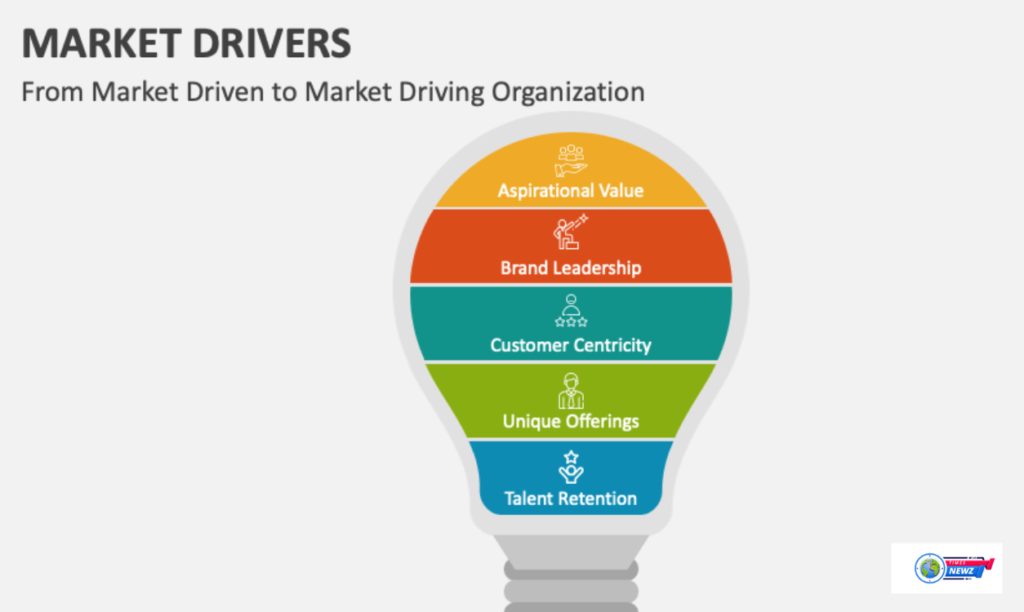
Market Drivers
Rising Adoption of Multi-Cloud and Hybrid Cloud Strategies Driving SaaS Market Growth
As businesses strive for greater flexibility, reliability, and cost-effectiveness, the adoption of multi-cloud and hybrid cloud environments is increasing in the market. Enterprises are avoiding vendor lock-in by spreading their workloads across multiple cloud providers (e.g., AWS, Google Cloud, and Microsoft Azure). Market vendors are adapting their solutions to ensure seamless operation across different cloud platforms. Hybrid cloud adoption allows businesses to leverage both on-premise infrastructure and public cloud services. Service providers are integrating their platforms to support hybrid environments, offering customers greater flexibility.
Therefore, increasing demand for multi-cloud and hybrid cloud is driving the software as a service (SaaS) market growth.
Market Restraints
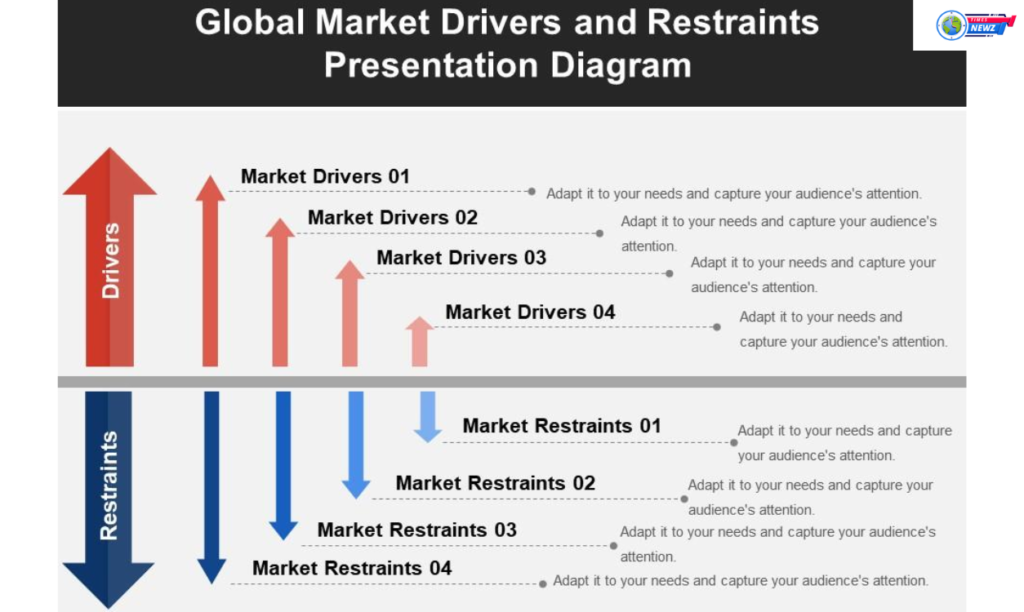
Addressing SaaS Security Challenges: The Rising Risk of Misconfigurations and Data Vulnerabilities
Professionals store both business-sensitive and personal data on software as a service platforms, making security a significant concern for business professionals. Several enterprises in the industry have identified software as a service misconfiguration as a major challenge.
Furthermore, configuration of internal application setup is becoming a major challenge for security teams. The misconfigurations result in the loss of sensitive data and apprehensive application programming interfaces, leading to unauthorized admission of sensitive data.
Market Opportunity
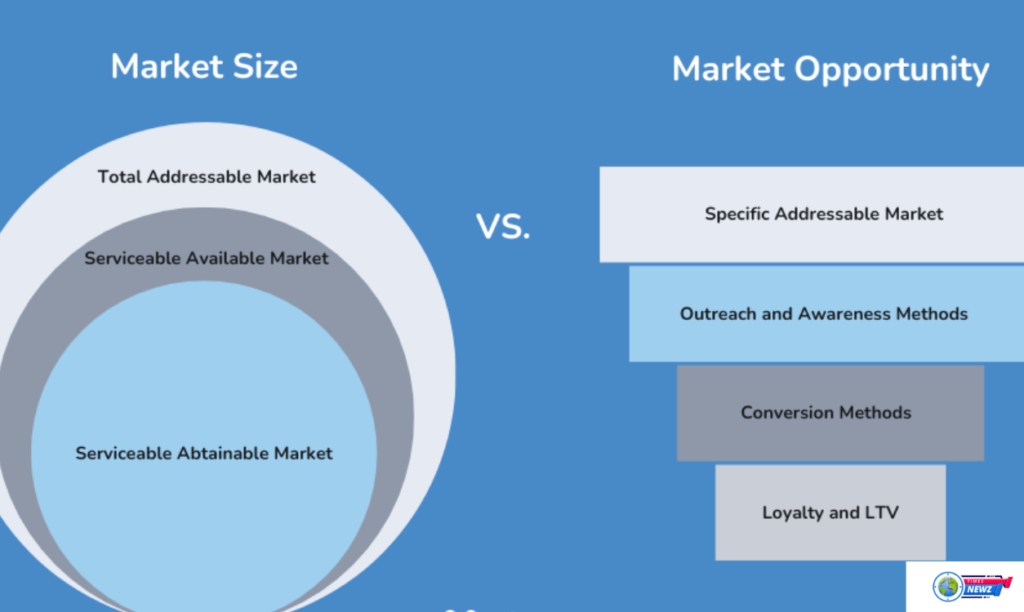
The Rise of SaaS Super apps: Transforming User Experiences and Business Monetization
The demand for SaaS superapps is growing as they provide end users with a set of core features and the ability to create mini-apps independently. A superapp serves as a platform that delivers consistent and personalized app experiences, offering significant competitive advantages to its providers. More than just an application that combines multiple features and services in one interface, a superapp is a composable application and architecture, allowing the integration of various unrelated functionalities into a single platform. This trend is expected to gain even more momentum in 2025, particularly in the SaaS B2B landscape, where more businesses are anticipated to develop a “One API for all” approach by unifying several APIs into a single solution.
Superapps provide businesses with opportunities to monetize through in-app advertising by displaying ads to an engaged user base. They enable companies to deliver more comprehensive and personalized experience for their customers. Market players are focusing on launching superapp to support businesses across various industries, allowing them to enhance their products and services, target advertising more effectively, and increase conversion rates. Several superapps have been launched by companies, for instance,
WeChat: A Chinese superapp developed by Tencent that provides a variety of services, including messaging, social media, e-commerce, and mobile payments. With over 1 billion active users, it has become an essential tool for daily life in China.
Gojek: It’s an Indonesian superapp that offers a wide range of services, such as ride-hailing, food delivery, and mobile payments. It has over 150 million active users and has become an essential tool for daily life in Indonesia.
Paytm: India’s superapp offers a wide range of services, including mobile payments, online shopping, and bill payments. It has over 350 million active users and has become an essential tool for daily life in India.
Kakao: This South Korean superapp offering services including messaging, social media, and mobile payments. It has over 50 million active users and has become an essential tool for daily life in South Korea.
Thus, SaaS superapp is expected to create lucrative opportunities for key vendors operating in the market.
By Industry

Based on industry, the market is segmented into IT & telecom, BFSI, retail & consumer goods, healthcare, education, manufacturing, and others.
The healthcare segment sustains 22% of the revenue shares in 2025 and predicted to record the highest CAGR of 26.00% during the projected period. Healthcare professionals are migrating application and storage to the cloud to enable hybrid and remote working. Cloud services help medical professionals gain real-time health data insights and minimize the complexities within an IT system with simplified storage solutions. Rapid advancement in telemedicine technologies, such as video/audio conferencing, telesurgery, and teleradiology, will drive the adoption of cloud services.
For instance, May 2021, HCA Healthcare, an American healthcare company, partnered with Google Cloud. Through this partnership, the companies aimed to build an advanced analytics platform and develop machine learning models for workflow improvements and science-informed decision support.
IT & telecom dominated the market in 2024. As per PwC survey, around 84% of IT executives believe SaaS solutions offer more robust security than on-premises alternatives. According to industry experts, 57% of telecom companies have integrated AI-driven applications into their operations to improve customer service and operational efficiency.